About the KMTA NHA
KMTA’s Origins
KMTA began with a question from local residents: Could the creation of a National Heritage Area help tell the stories of this region and care for the places where those stories took shape?
In 1997, members of the Kenai Peninsula Historical Association began exploring that idea. They saw a common thread running through the region’s history: the routes people traveled across its mountains and waters. Indigenous trails and waterways, gold rush routes, the Iditarod Trail, the Alaska Railroad, the Seward Highway, and today’s recreation trails, all speaking to the enduring importance of movement through this landscape. As they started to explore the benefits of the National Heritage Area Program and how it might apply to Alaska’s historical legacy, the group started a committee to study the possibility of a National Heritage Area in Alaska, appointing Jim Richardson to chair it.
Becoming a National Heritage Area
In 2000, the committee formed its own nonprofit organization – the Kenai Mountains-Turnagain Arm Corridor Communities Association (KMTA CCA). With support from communities, leaders, and organizations across the region, its members engaged in the tireless work of trying to establish Alaska’s first National Heritage Area. In 2009, the bill to create the Kenai Mountains-Turnagain Arm National Heritage Area passed both the Senate and the House. In March 2009, President Obama signed that bill into law. It was sponsored by Sen. Lisa Murkowski, Sen. Mark Begich, and Rep. Don Young.
Today, the Kenai Mountains-Turnagain Arm National Heritage Area is one of 62 Heritage Areas across the nation and the only one in Alaska. Our locally led nonprofit organization, now known as Alaska Living Lands (formerly the KMTA CCA), serves as its congressionally appointed steward.
Where is the KMTA NHA?
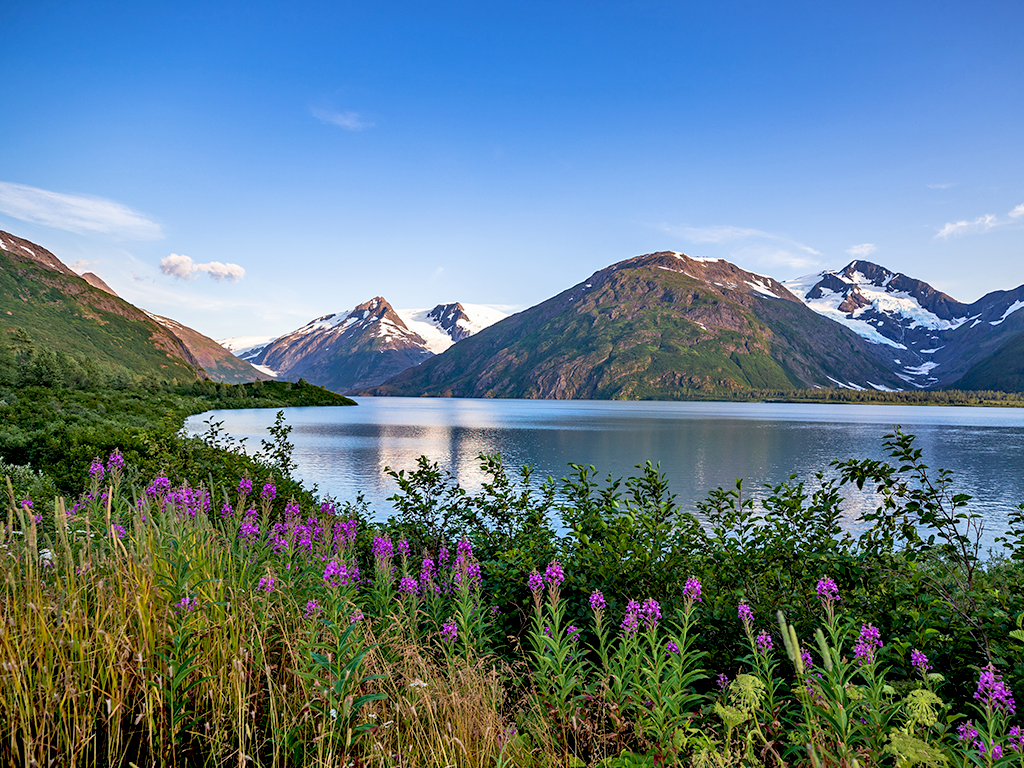
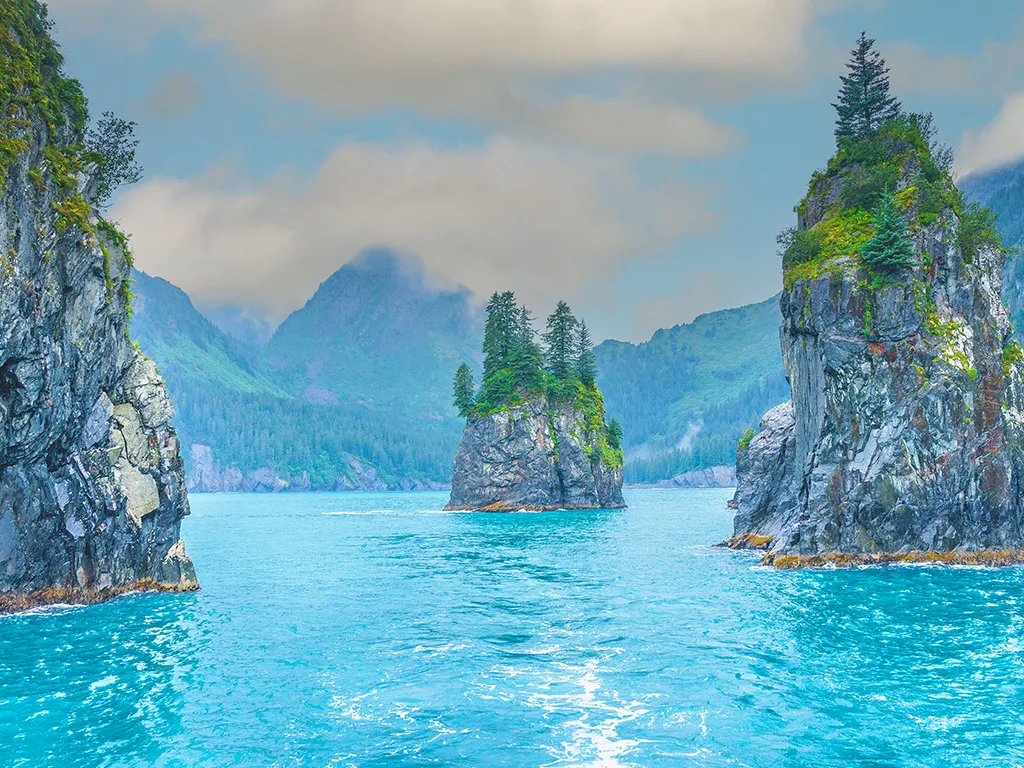
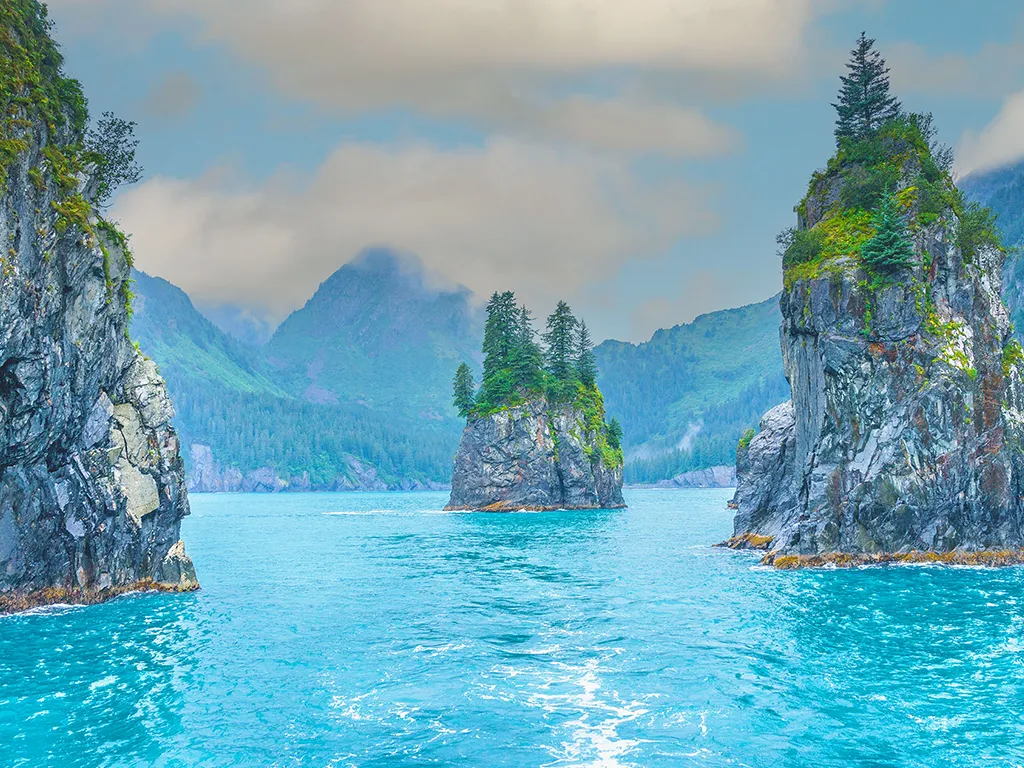
The KMTA National Heritage Area encompasses a connected corridor or road, rail, trail, and water routes through the Kenai Mountains and upper Turnagain Arm region. It stretches from south of Anchorage near Beluga Point and extends all the way to Seward. It includes the communities of Indian, Bird, Girdwood, Portage, Whittier, Hope, Sunrise, Moose Pass, Cooper Landing, and Seward. The region hosts glaciers, fjords, rivers, lakes, public lands, historic sites, and communities whose histories are closely tied to the surrounding land and water.

History & Heritage
The history of the Kenai Mountains–Turnagain Arm National Heritage Area is rooted in the ways people have lived with, traveled through, and cared for this place. The Dena’ina and Sugpiaq peoples are the original inhabitants and stewards of the lands and waters in and around the Kenai Mountains–Turnagain Arm National Heritage Area. Their relationships with this region span generations and continue today through their languages, cultural knowledge and practices, and care for the land and water. These are living histories, central to understanding this place and its future.
The mountains, waterways, and coastal passages that connect this region have also shaped how communities formed, how people have lived, and how they continue to experience the landscape. Several themes run through these stories, linking the region’s history with life here today:

Routes and Connections
Indigenous trails and waterways, gold rush routes, the Iditarod National Historic Trail, the railroad, and the Seward Highway are part of a long history of movement through this landscape. Today, roads, waterways, and trails continue to connect communities and support travel, work, subsistence, and recreation.

Living Cultures and Communities
The Dena’ina and Sugpiaq peoples continue to teach their languages, share knowledge, practice traditions, and sustain relationships with their ancestral lands and waters. Communities throughout the region also carry distinct histories through the stories, gathering places, celebrations, and everyday lives of the people who call them home.

Livelihoods and Change
Fishing, mining, maritime work, transportation, and other local industries have shaped communities and local economies over time. Today, tourism and the work of those who manage and care for public lands are also part of the region’s story. As the landscape and economy change, communities continue to adapt while holding on to the character of this place.

Recreation and Stewardship
People have traveled and used the lands and waters in the KMTA NHA for generations. Today, trails, community events, and recreational races like Seward’s Mount Marathon Race are part of the region’s identity, alongside ongoing efforts to keep these places accessible and cared for.
These themes are connected, but they do not tell a single, finished story. They reveal a living heritage that is still unfolding, offering a way to learn from this place, understand how it has changed, and take part in its future.
You can read more about the themes of the NHA in KMTA’s Management Plan.